Spotter Studio is a suite of data driven AI tools helping video content creators brainstorm, refine, and execute successful video ideas.
ROLE
Led concept and product ideation from 0 to 1
Research analysis, prototyping, and UI design
Created and maintained the design system
Designed internal tool workflows
Mentored senior product designers
RESULTS
Achieved a positive NPS post-launch
Supported Amazon’s minority stake investment
Attracted top-tier YouTube creators
Improved design to dev handoff efficiency

I led product design for Spotter Studio’s tools. Creators faced slow inspiration workflows and distrusted AI tools. We aimed to create a fast, transparent ideation system they could trust and use daily.
I worked with AI engineers, data science, and product stakeholders to concept, ideate and define the end-to-end creative process for video creators.
Our design iterations were continually validated by the users, through the process.
During extensive user interviews, content gaps were a very common topic. Surfacing high-performing but underutilized content to guide creators’ next big ideas was key.
Creators told us they often missed the hidden gems. Videos that performed well but didn’t follow their usual patterns of success. This is where we saw a chance to give them something useful around video 'outliers'.
The Outliers Tool analyzes a creator’s historical performance data and leverages AI to surface videos with strong, unexpected success metrics. The curated videos spark new ideas for creators.
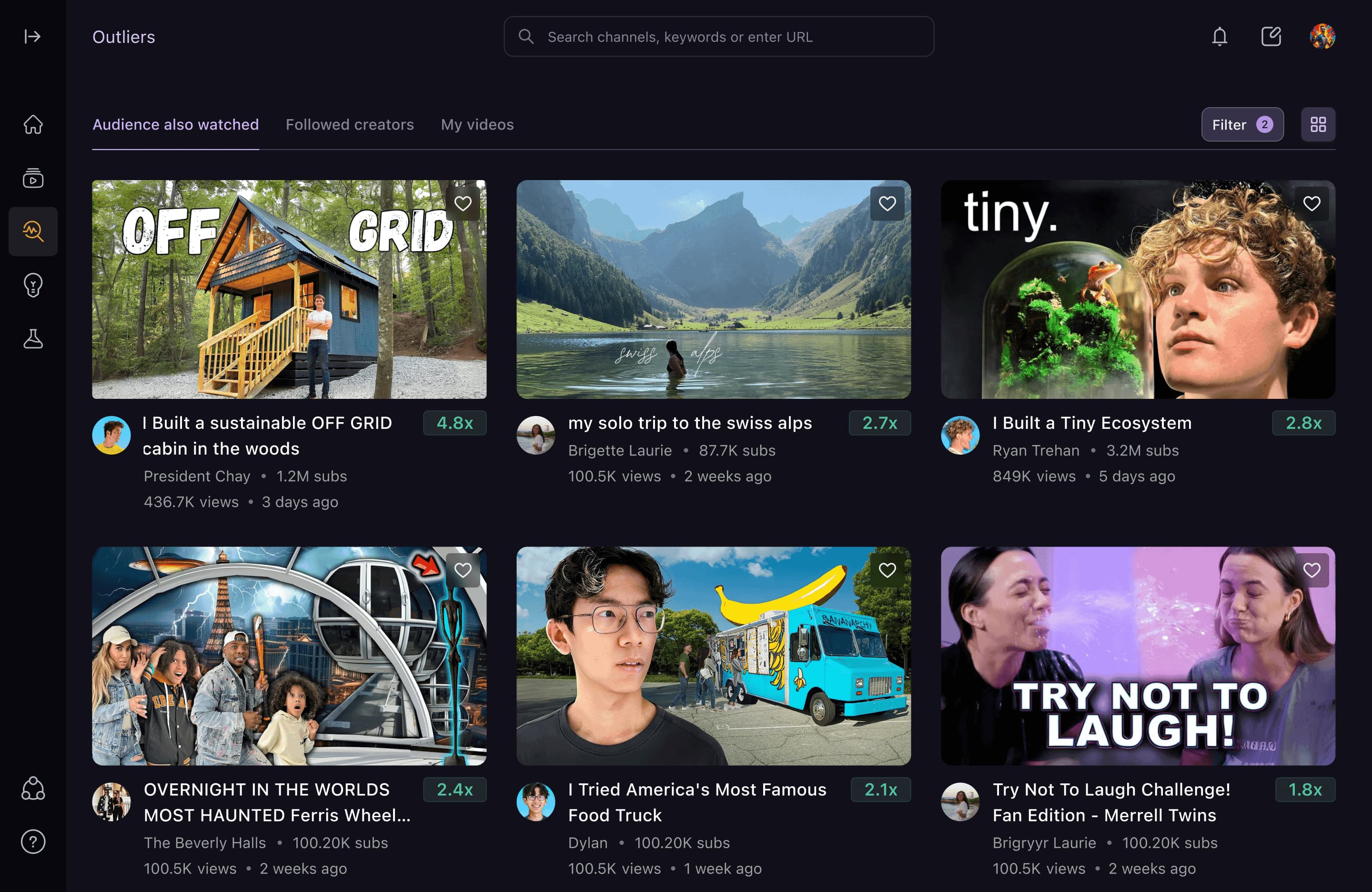

I analyzed data research and worked with stakeholders to iterate on the UX, including optimal data sources and filtration patterns.
We also saw an exciting opportunity to reduce friction by leveraging AI to generate curated video ideas, giving creators ready-made inspiration tailored to their audience.
Creators often struggle to generate new ideas, even with data. Research showed AI could help by analyzing their successful content, audience behavior, and YouTube trends to surface fresh opportunities.
The Inspiration Feed does this by generating AI-powered video ideas with thumbnails, titles, and concepts. Creators instantly saw the value, using these packages as direct content ideas or as inspiration to spark new ones.
I worked with AI engineers to improve generation quality through user feedback.
Early AI generations were not seen as valuable by creators. We prioritized functions relating to their ideation process. Another important aspect revolved around training the generation model as to what content was valuable to the creators.
The topic of trust repeatedly came up in our research. Designing transparency into AI tools was another key area we focused on.
Our research revealed skepticism toward AI-generated suggestions. Creators wanted to understand the rationale behind these recommendations before acting on them. To address this, we designed analysis screens that break down the 'why'.
Analysis includes audience behavior, performance metrics, trends and plans to touch on how creators can act on this insight, all helping creators see the reasoning behind the recommendations and trust the tools.

I worked with data scientists and stakeholders to inform the design of product algorithm transparency layers.
Creators needed a single system to manage their ideas, track progress, and collaborate on projects.
A lot of them were jumping between different tools for brainstorming, tracking, and teamwork, which made things inefficient.
The project management tool brings it all together. It helps creators take content from ideas to execution, track their progress, and collaborate with teams, all in one place.

Collaboration efficiency was key with their creative workflows.
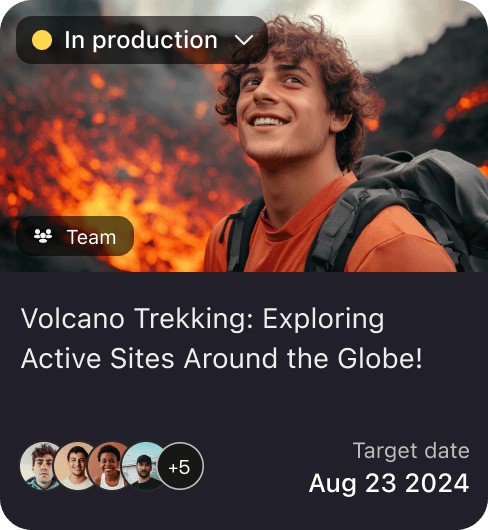
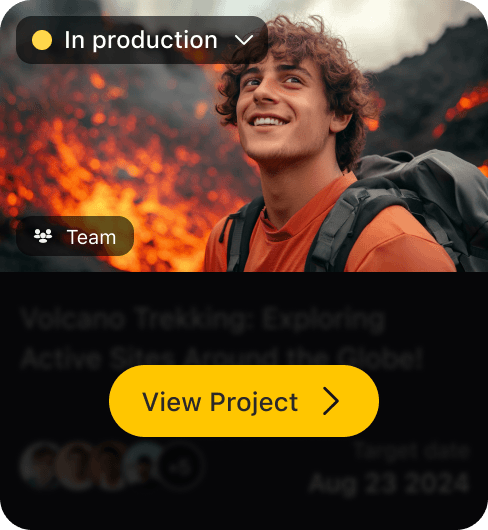
Studio project packages combine key elements like titles, thumbnails, and concepts, into editable units. These support both individual and team collaboration, while also fueling retention.
Design system
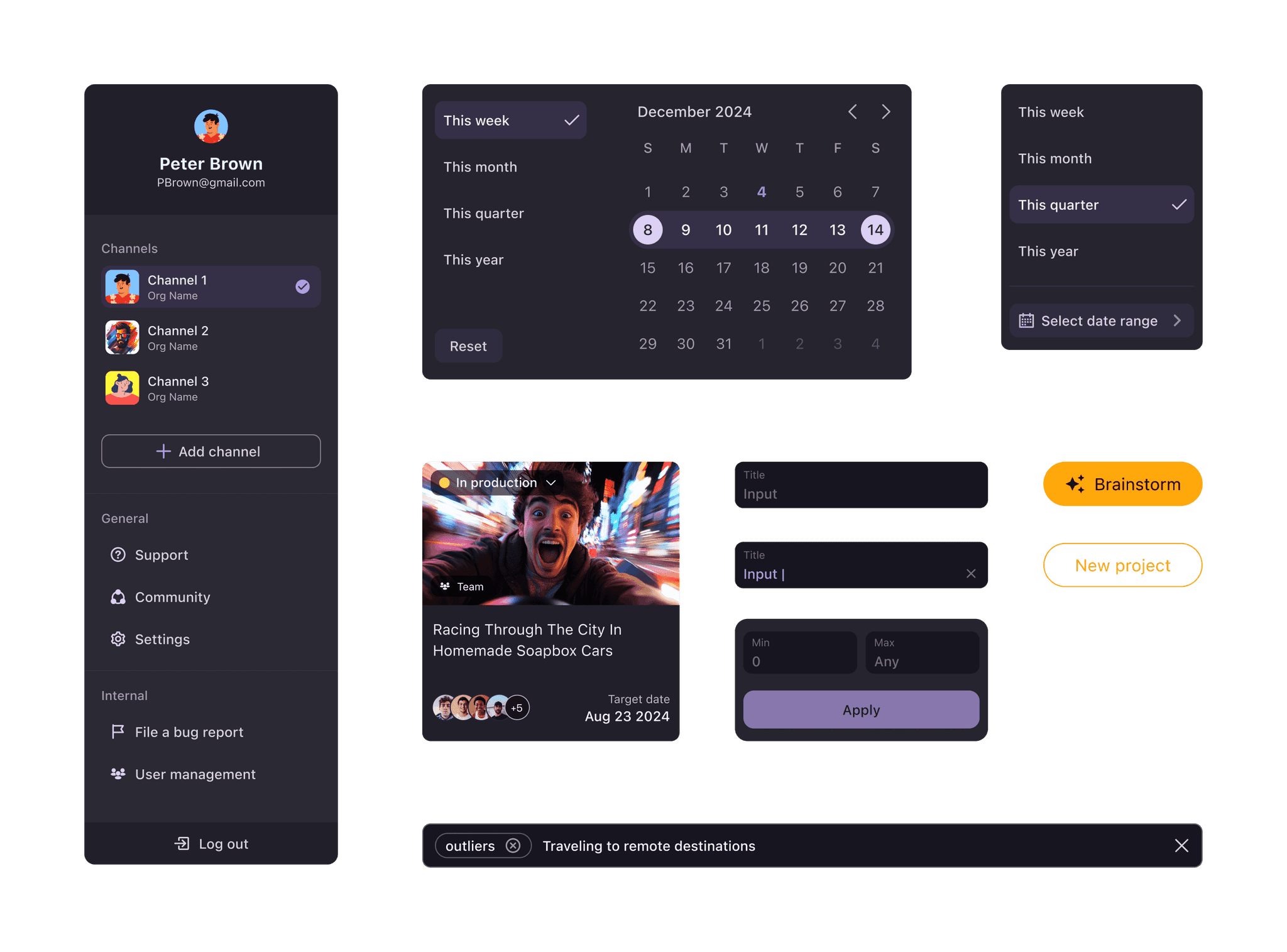
As the product grew to include not only tools but a range of screens, from onboarding to profile and payment settings, I began early on developing a modular design system.
The system included everything needed, from typography, buttons, modals, and detailed documentation, which made implementation easier for developers. This not only sped up development but also created a seamless experience across the tools.
Learnings
Spotter Studio refined my approach to designing AI systems for human engagement. The core challenges around trust, transparency, and avoiding rigid automation, are universal. Balancing guidance with user control shaped tools that felt intuitive and useful.
• Build for collaboration, not replacement
• Surface transparency and context early
• Use real-world inputs to tune AI output
• Design for trust, then optimize for efficiency