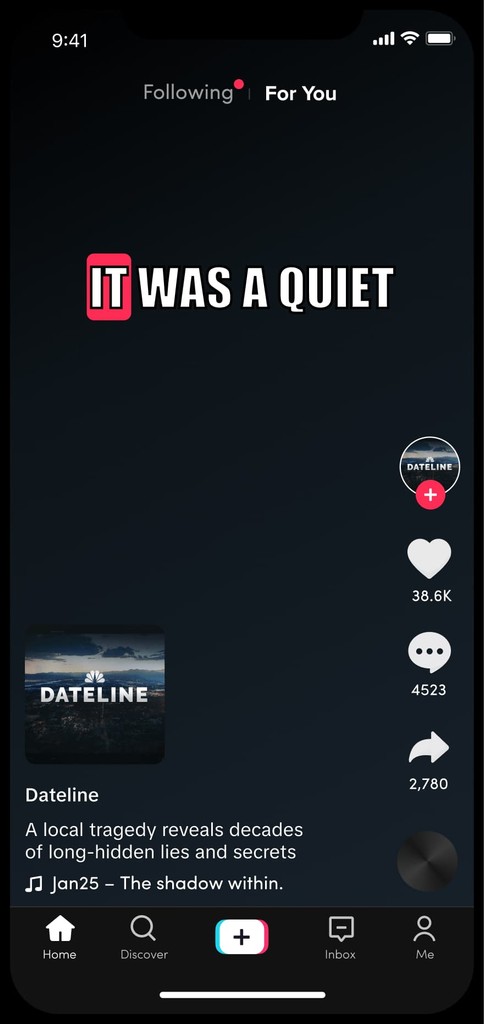
I led design on TikTok Podcasts, allowing creators to link and update podcasts via a web tool. This enabled native playback and previews in the feed, connecting audio content with TikTok’s discovery.
ROLE
Led product design from 0 to 1
Informed product strategy / PRD development
Conducted research, prototyping, and UI design
Pitched concepts and aligned stakeholders
Mentored senior designers on the team
RESULTS
Approved as public market experiment
Increased platform podcast uploads
Informed platform podcast strategy
Rolled into TT music player feature
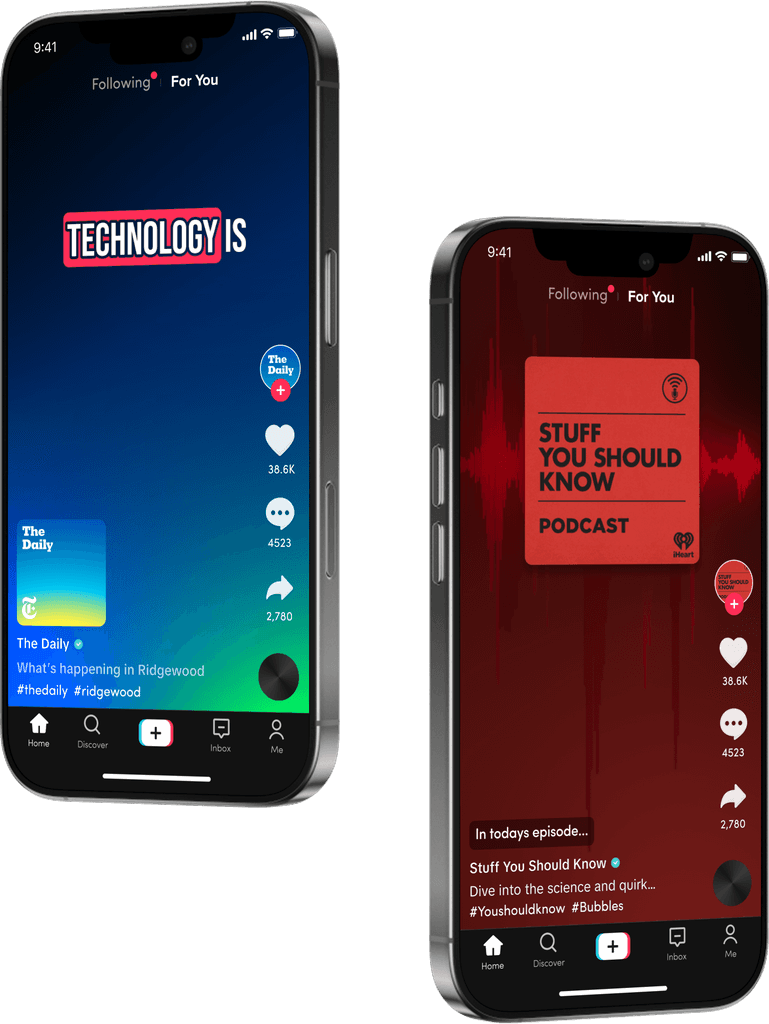
Podcasting was a $2.25B market, but TikTok lacked a native solution. We streamlined uploads and introduced previews, positioning TikTok to grow through native discovery.
Creators were manually uploading podcast clips but needed a scalable, structured system. The MVP focused on linking RSS feeds through a simple web upload tool.
Our mobile preview experience enhanced discovery and engagement, leveraging transcriptions and animated visuals designed for TikTok’s fast-scrolling feed.
We focused on solutions that could scale with minimal friction.
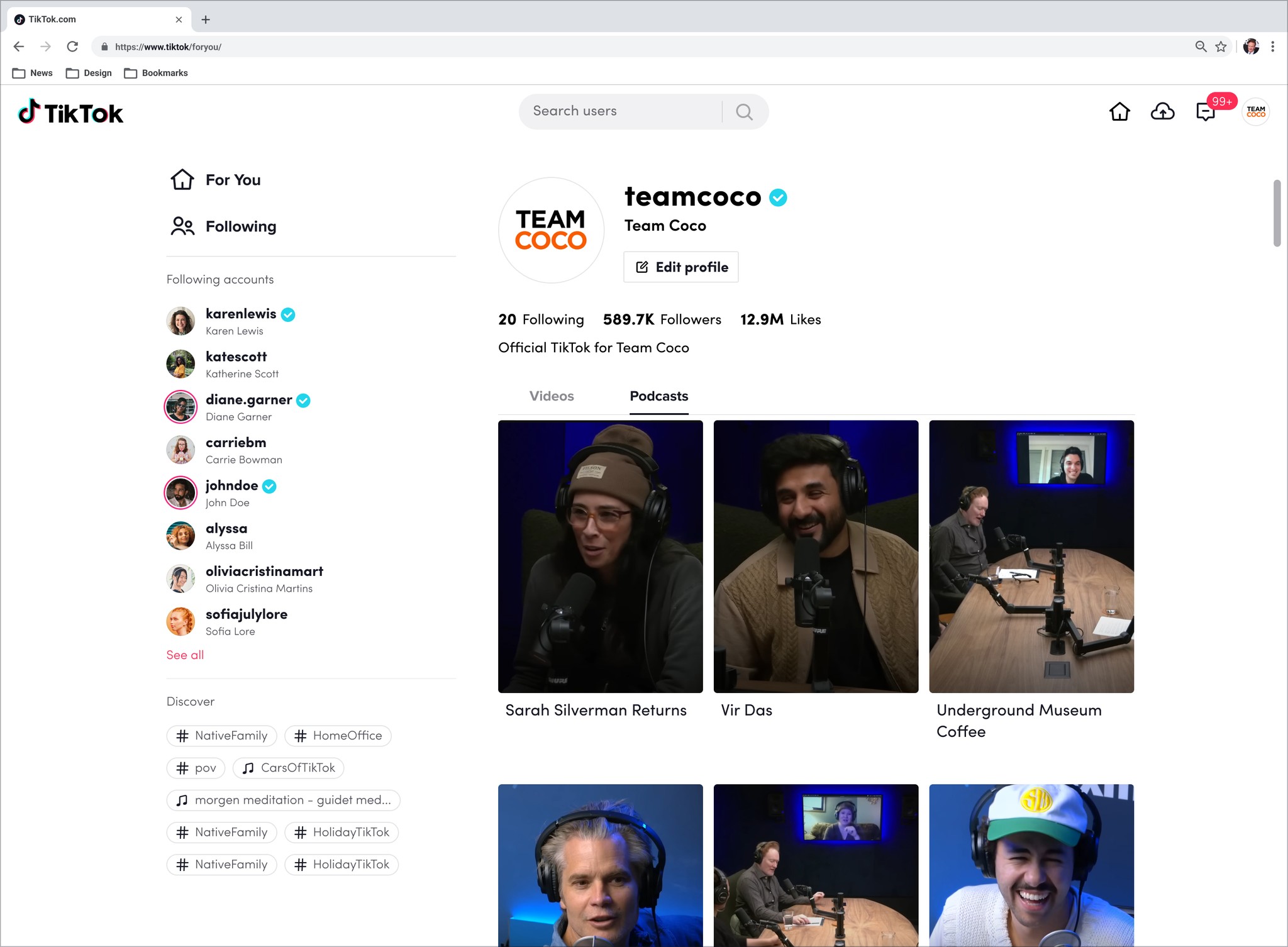
Podcast creators on TikTok needed a simpler way to upload and update their content. Streamlining this process was key to driving engagement and growing the market.
I started by aligning with the PM on strategy, researching tools in the US podcast market, and analyzing data from Duyin’s early podcasting experiment in China. This research shaped the PRD as we moved forward.
We landed on RSS linking, which allowed us to automatically pull in all the necessary podcast data and enable seamless updates with minimal manual effort.
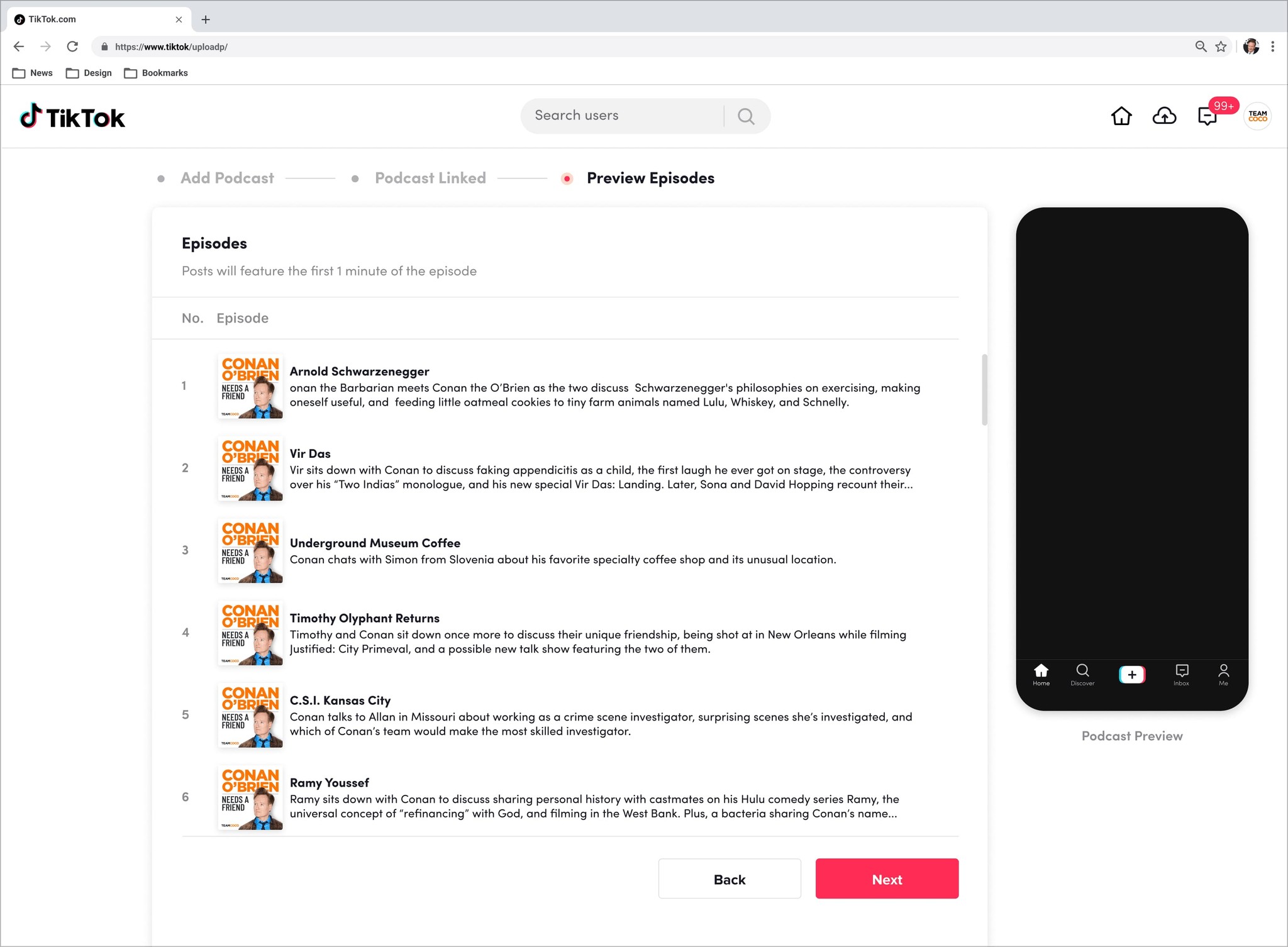
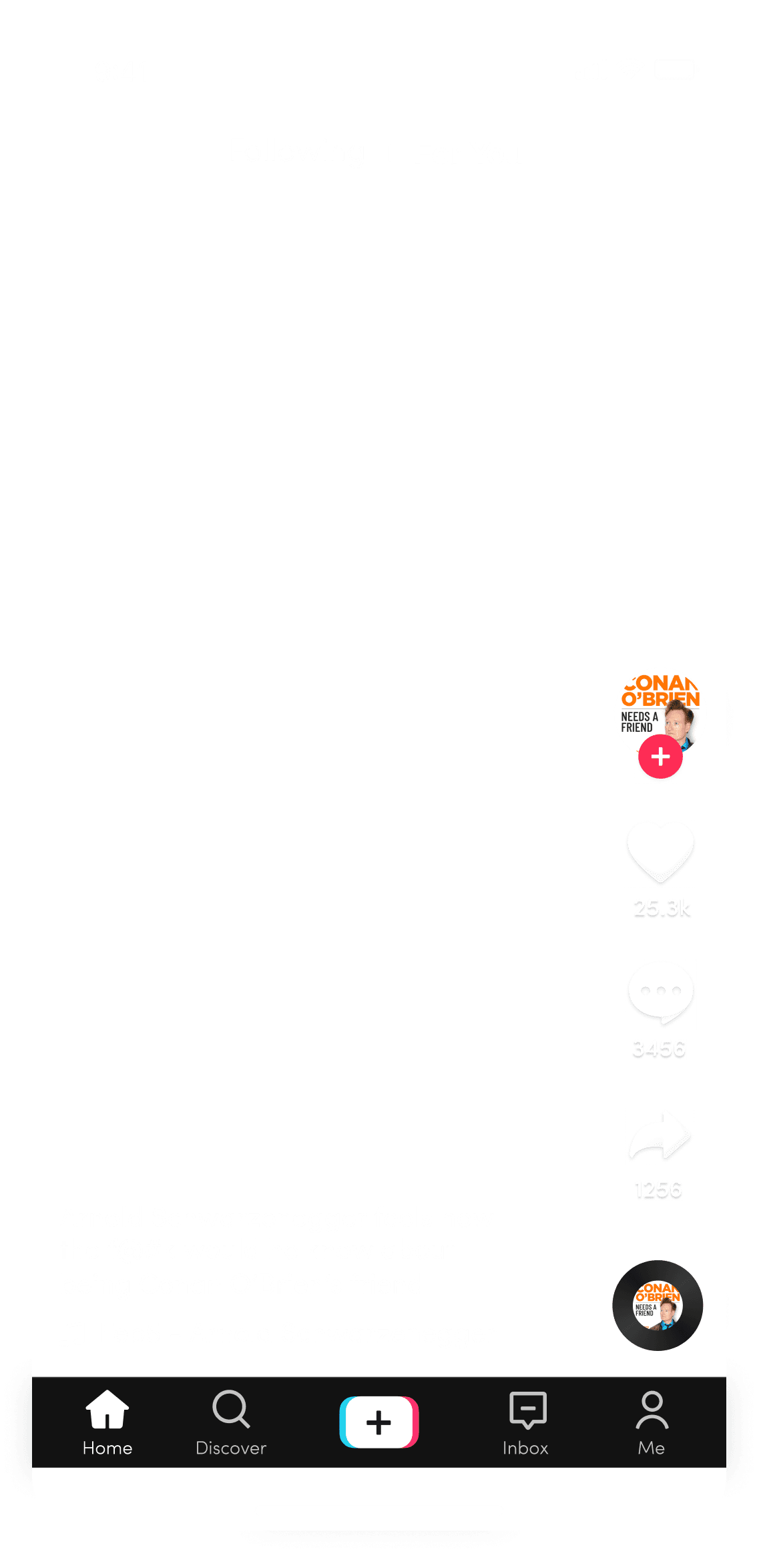
Aligning on and getting buy in for the upload approach was an involved XFN coordination between several teams in China and US Tiktok. This became one step in our journey with podcasts.
Next we realized that mobile previews of the podcsts episodes could drive engagement on the feed. This was something we researched and tested through the process.
While the upload solution tested well, increasing engagement remained a priority.
Taking it further, we decided to offer previews of pocasts, on the feed, to drive engagement.
We initially explored early AI tools that converted audio into visuals, experimenting with dynamic backgrounds generated from podcast audio to capture attention.
Ultimately hand made visual templates were needed, as generative AI was not evolved enough at the time for this sort of scalable solution.
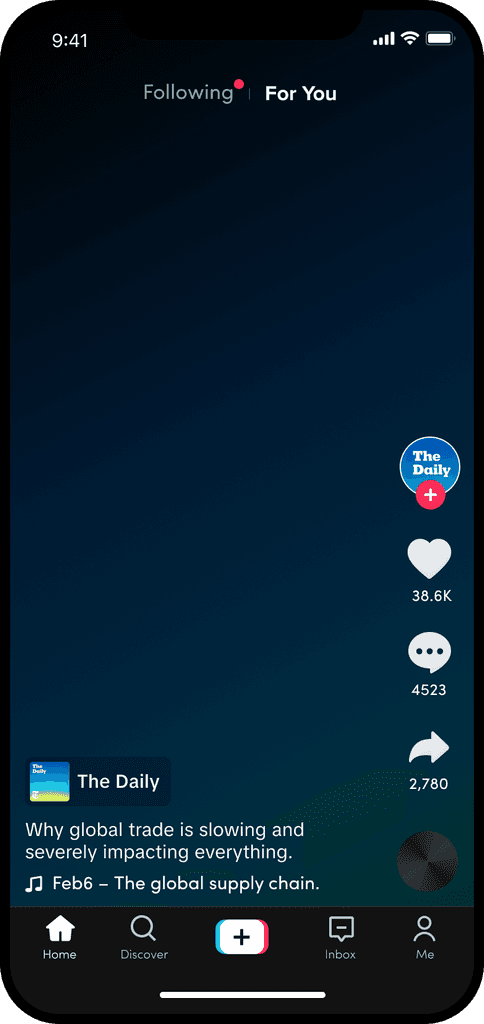
To keep users engaged, we landed on audio transcoding to provide context, more optimal for engagement.
Initial testing indicated that visuals alone were not as impactful for engagement in comparison to content transcoding.
User testing and cross-team alignment led us to video previews using scalable, template-driven formats. Visual templates were leveraged as a fall-back, if no video was available.